


Living with irritable bowel syndrome, or IBS, can sometimes feel like having a very unpredictable housemate. One day, everything is peaceful, and the next, my stomach has decided to cancel all my plans.
For me, IBS has often meant bloating, discomfort, and flare-ups that seem to appear at the most inconvenient times. Stress, certain foods, changes in routine, and sometimes no obvious reason at all can leave my digestive system feeling unsettled.
Adding probiotics to my everyday routine has not made my IBS magically disappear, but it has helped me manage it more comfortably. I have experienced less bloating and discomfort, fewer or milder flare-ups, and a generally better sense of digestive balance.
That everyday balance has probably been the biggest difference for me.
Understanding What Is Happening in the Gut
The gut is home to trillions of microorganisms, including bacteria, yeasts, and other microbes. Together, they form what is known as the gut microbiome.
It sounds very scientific, but the basic idea is quite simple: our digestive systems contain an enormous community of microscopic organisms, many of which play useful roles in keeping the body functioning properly.
The gut microbiome is involved in several important processes, including:
- Breaking down and absorbing nutrients
- Supporting waste elimination
- Helping regulate immune function
- Contributing to hormone regulation
- Communicating with the brain through the gut-brain connection
When the different microorganisms in the gut are reasonably balanced, they generally work together in a helpful way. However, that balance can be disturbed by factors such as stress, diet, illness, antibiotics, other medicines, age, and lifestyle changes.
This imbalance is sometimes called gut dysbiosis, and it has been associated with digestive conditions such as IBS.
IBS Is About More Than the Occasional Upset Stomach
Before dealing with IBS, I did not fully appreciate how much gut discomfort could affect everyday life.
Bloating can make it difficult to feel comfortable in your clothes. Abdominal discomfort can make it harder to concentrate. The possibility of a sudden flare-up can also affect where you go, what you eat, and how relaxed you feel when you are away from home.
There is also no single IBS experience. Some people mainly struggle with constipation, while others experience diarrhoea. Some move between the two, and others deal mostly with bloating, cramps, or general digestive discomfort.
That variety is one of the reasons managing IBS can involve a bit of trial and error. What helps one person may not necessarily help another.
For me, supporting my gut consistently has worked better than waiting until everything feels out of control.
Probiotics Are Not Only for Digestive Emergencies
I used to think probiotics were something you took after a course of antibiotics or when your stomach was already unhappy.
However, probiotics can also be used as part of a regular gut-support routine. They are live microorganisms that may help support the balance of bacteria in the digestive system.
Instead of treating probiotics as an emergency response, I started seeing them as part of my everyday approach to managing IBS. Much like drinking enough water, paying attention to stress, and being aware of trigger foods, taking a probiotic became one more way of supporting my digestive system.
Consistency has been important. IBS can be unpredictable, so having a simple daily routine gives me a greater sense of control, even when the condition itself does not always behave predictably.
Less Bloating and Discomfort
Bloating has been one of the most frustrating parts of IBS for me.
It is not always dramatic, but it can be uncomfortable enough to affect my mood, concentration, and confidence. Some days, it can feel as though my stomach has inflated for no logical reason.
Since introducing probiotics into my routine, I have noticed that the bloating and general discomfort are easier to manage. I still pay attention to what I eat and how certain foods affect me, but my digestive system feels less unsettled overall.
This does not mean I never experience bloating. IBS is still IBS, after all. The difference is that the discomfort feels less frequent and less disruptive than it did before.
Fewer and Milder Flare-Ups
My IBS flare-ups have also become less intense and, in many cases, less frequent.
Previously, a stressful period or a change in routine could quickly lead to digestive problems. While stress can still affect my gut, I feel as though my system is better able to cope when I am supporting it consistently.
When flare-ups do happen, they often feel more manageable. This has helped me feel less anxious about my digestion, which is useful because worrying about an IBS flare-up can sometimes make the whole situation feel worse.
The connection between the gut and the brain is very real. Stress can affect digestion, and digestive discomfort can create more stress. Anything that helps make that cycle less intense is valuable to me.
A Better Sense of Everyday Balance
The most noticeable benefit has not been one dramatic transformation. It has been a gradual improvement in how balanced my gut feels from day to day.
I am less likely to think about my stomach constantly when it is behaving itself. That might sound like a small thing, but anyone who has dealt with IBS will understand what a relief it is to get through a busy day without your digestive system demanding your full attention.
Probiotics have become part of a broader routine that includes watching my trigger foods, managing stress where possible, getting enough rest, and staying hydrated.
No single habit does all the work. Together, however, these small choices help me feel more comfortable and in control.
Choosing a Probiotic
Not every probiotic product is the same.
Different products may contain different probiotic strains and different numbers of colony-forming units, usually shown as CFU on the packaging. A probiotic also needs to remain alive long enough to reach the gut and survive challenging conditions such as stomach acid, bile, and digestive secretions.
I have learned that it is worth looking beyond the word “probiotic” on the front of the box. The strains, intended use, storage instructions, and recommended dosage all matter.
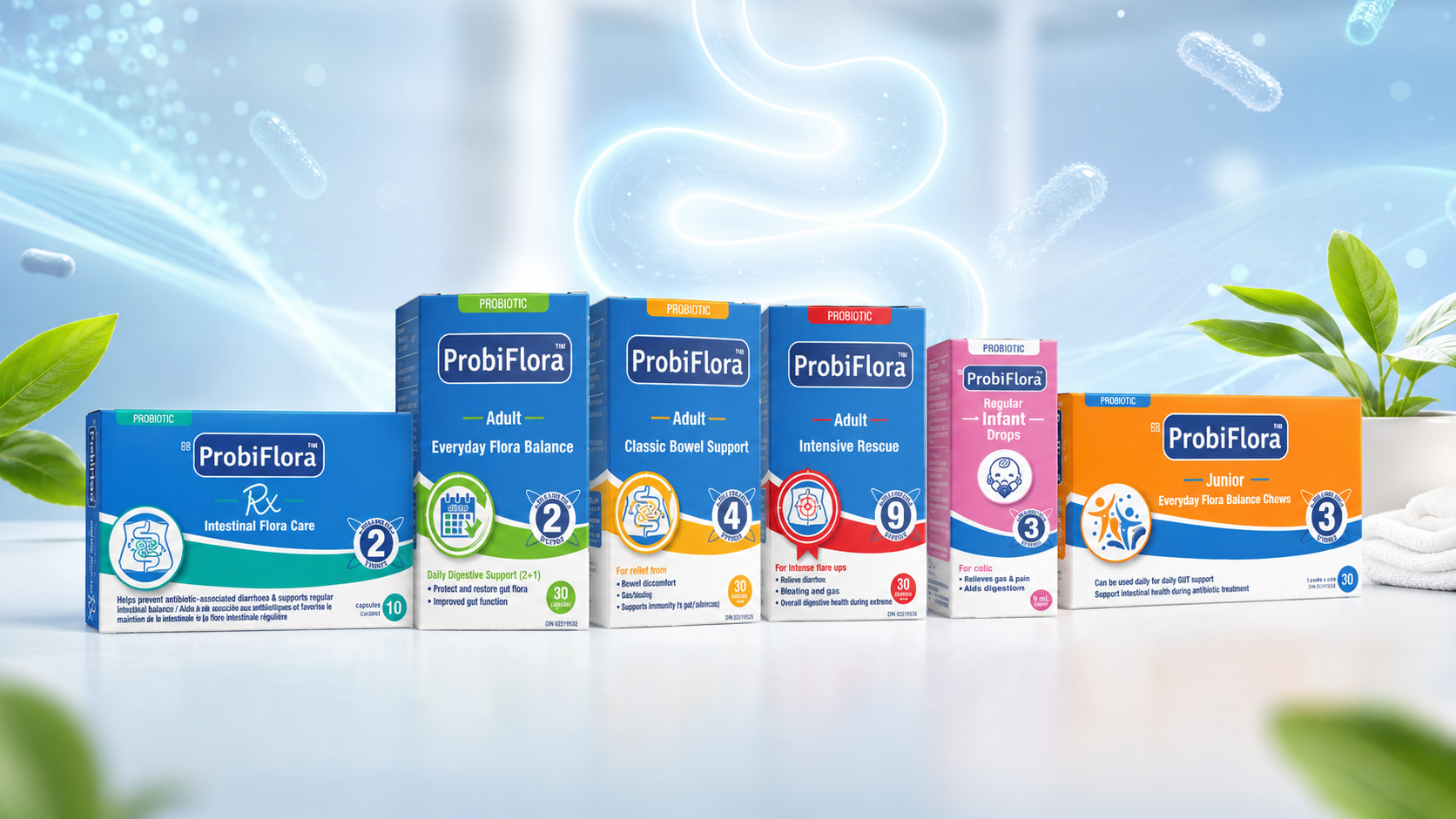
ProbiFlora™ Adult Everyday Flora Balance, for example, is designed for daily gut care. It contains one billion CFU and two probiotic strains, and forms part of the wider ProbiFlora™ multistrain probiotic range.
The range includes options intended for different life stages and gut-health needs, making it possible to choose support that is more suited to the individual rather than treating every digestive concern in exactly the same way.
Probiotics Are One Part of IBS Management
I do not see probiotics as a cure for IBS, and I would be cautious of any product that promises to cure a complex digestive condition overnight.
IBS management is usually much broader than taking a single supplement. It may involve identifying food triggers, adjusting fibre intake, managing stress, exercising regularly, sleeping well, and speaking to a doctor or dietitian when symptoms change.
Probiotics have simply become one useful part of that bigger picture for me.
They have helped me experience less bloating and discomfort, milder flare-ups, and a better sense of digestive balance. Most importantly, they have encouraged me to think about gut health every day, rather than only paying attention when something goes wrong.
Finding What Works for Your Gut
Everyone’s gut is different, and IBS symptoms can vary widely. A probiotic that works well for one person may not have the same effect for another.
It may take time to find the right routine, and it is important to follow the product instructions. Anyone who has severe symptoms, unexplained weight loss, blood in their stool, persistent pain, or a major change in bowel habits should seek medical advice rather than assuming the symptoms are caused by IBS.
For me, probiotics have been a gentle, practical addition to my daily routine. They have not removed every unpredictable moment, but they have made living with IBS feel more manageable.
And when you have a temperamental gut, a little more balance can make a surprisingly big difference.
Daily Support That Works for Me
For my everyday IBS management, I use ProbiFlora™ Adult Intensive Rescue. Its nine-strain formula provides five billion CFU and is recommended for intensive support when dealing with gut discomfort, bloating, cramps, and bowel irregularities, including diarrhoea. Taking it daily has become a simple part of my routine, helping me feel more balanced, comfortable, and better prepared for the unpredictability that can come with IBS.


0 Comments